How to Record Your Family's Stories (Before It's Too Late)
The practical guide to preserving family stories. What actually works, what doesn't, and why conversation beats a camera every time.
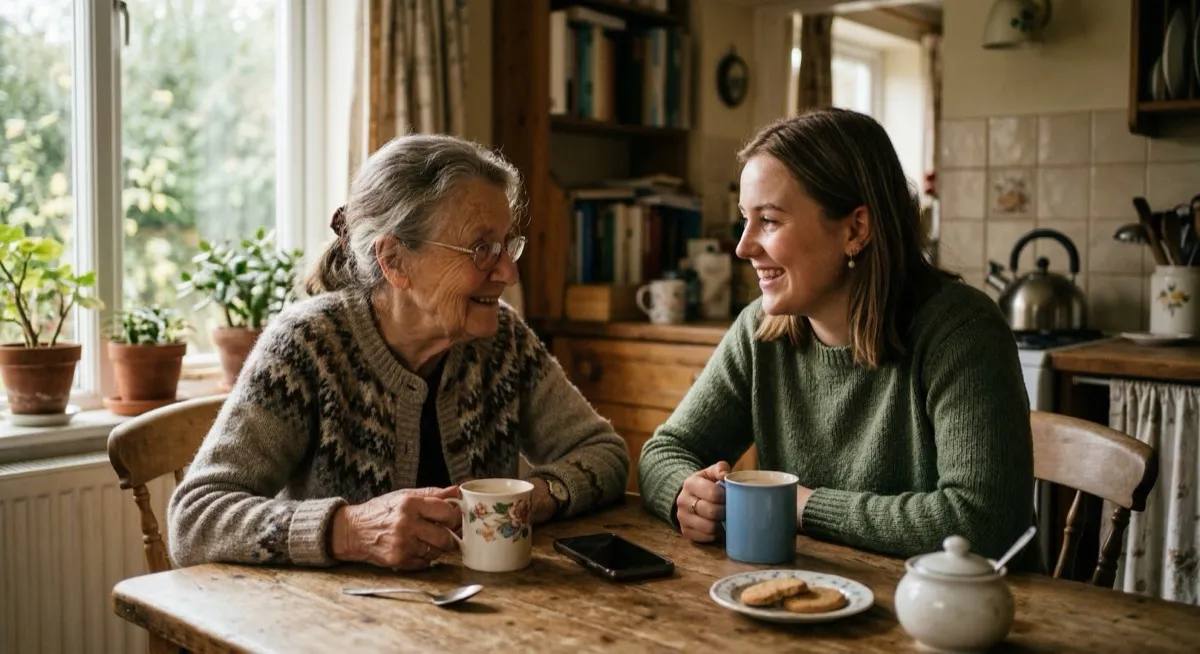
About 50,000 people die every week in America. Each one carries a lifetime of stories. Immigration journeys, war memories, the recipe that was never written down, the moment they fell in love. Most of those stories vanish with them.
Not because nobody cared. Because there was never a good moment to sit down and actually capture them.
If you're reading this, you probably have someone in your life whose stories matter. A grandparent, a parent, maybe an older family member who's sharp as ever but won't be here forever. This guide is about how to actually get those stories. Not just intend to.
Why "I'll Do It Later" Is the Most Expensive Plan
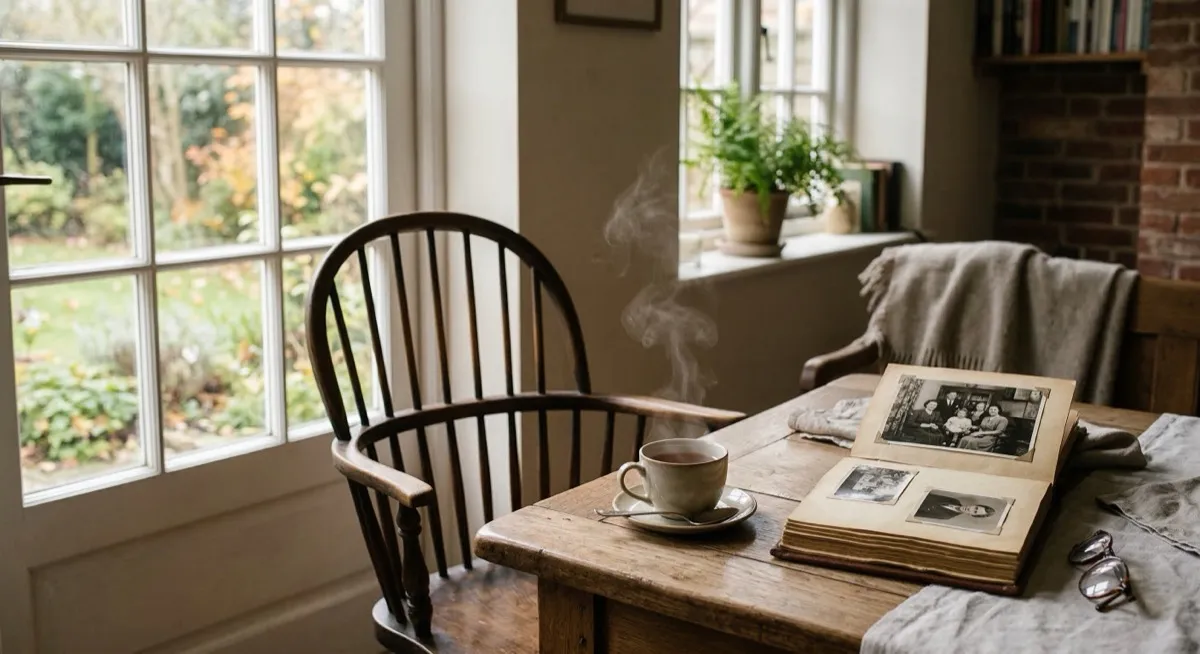
There's a reason we keep putting this off. It feels awkward to sit someone down and say "I want to record you." It feels like a project. Projects have friction. So we tell ourselves we'll get to it when we have more time. When the holidays come around. When things slow down.
Here's the problem. Cognitive decline and memory loss aren't linear. Someone can seem completely fine for years, then lose access to whole blocks of memory in a matter of months. The stories they carry right now, vivid and detailed and available, may not be there the same way next year.
"I kept telling myself I'd sit down with my dad and really hear his stories. He passed in March. I'd give anything for one more afternoon."
The best time to start was five years ago. The second best time is now. Today. This week. This month.
What Doesn't Work (And Why)
Before we get to what works, it's worth being honest about why so many family story preservation efforts fail.
The Camera Setup
You've seen it at reunions. Someone sets up a camera on a tripod, calls grandma over, and tries to interview her. Two things happen. First, she performs instead of remembers. Stiff, scripted, self-conscious. Second, nobody ever edits the footage and it sits on a hard drive for years. The camera creates an event that feels artificial. Because it is.
Written Prompt Services
Several popular services send weekly written prompts. "What was your favorite childhood memory?" Then they ask people to write their answers in a journal or email. The completion rates are terrible. Writing is work. It means committing to a chair, organizing thoughts into sentences, and showing up every week for a year. Most people quit within a month.
The Annual "Let's Record Grandpa" Plan
Families make this plan every Thanksgiving or Christmas when everyone's together. They mean it. Then the holiday passes, everyone goes home, and the plan evaporates until next year. By the time it becomes urgent, the window may have closed.
Hiring a Professional Videographer
Oral history videography is a real profession and the results can be stunning. But at $500 to $5,000 per session, plus the scheduling complexity of getting the right person in the right place, most families never make it happen. The camera problem applies here too. Formal setups make people stiff.
What Actually Works
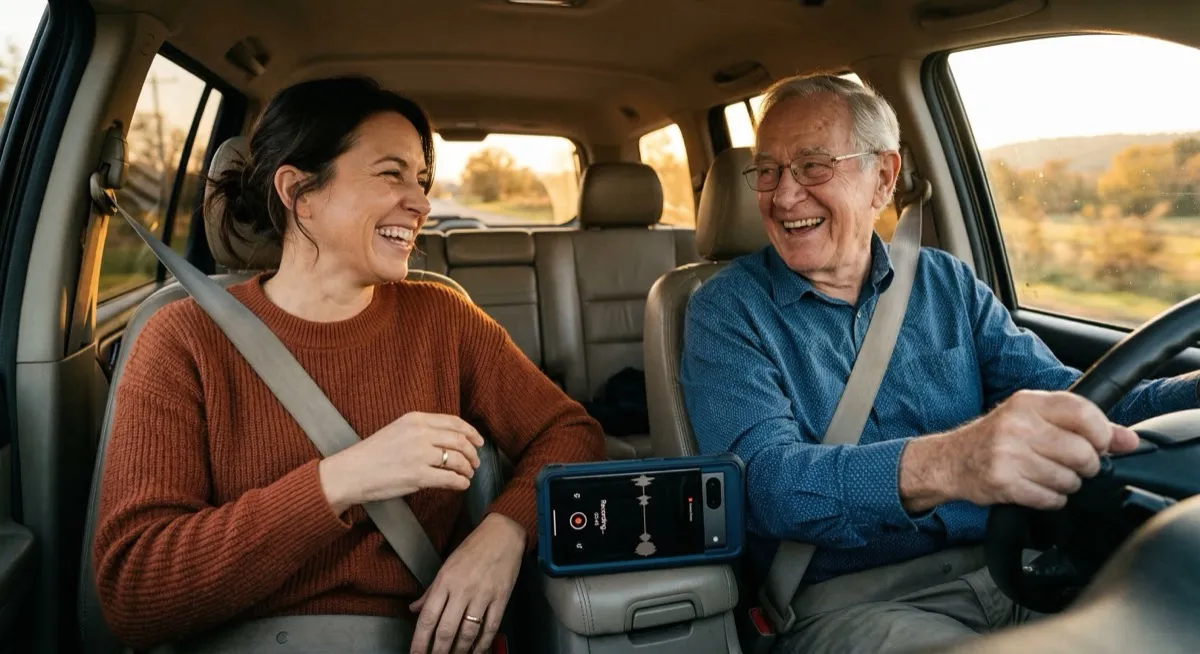
The families who successfully capture stories have a few things in common.
- They lower the barrier to nothing. The best recordings aren't produced. They're captured during car rides, on the phone, at the kitchen table. "I'm just calling to catch up" often produces better material than a formal interview.
- They ask specific questions, not open ones. "Tell me about your life" produces nothing. "What did your grandmother's kitchen smell like?" produces a 20-minute story you've never heard.
- They let the subject wander. The best stories come from tangents. A question about a job leads to a story about a friendship, which leads to a memory from childhood. Following the thread matters more than sticking to a list.
- They capture frequently, not perfectly. Ten 20-minute conversations are worth more than one perfect 4-hour session that never happens.
- They make it feel normal, not momentous. The moment someone feels like they're "being recorded for posterity," they become a different version of themselves. The goal is to make talking feel like talking.
The Best Questions to Ask
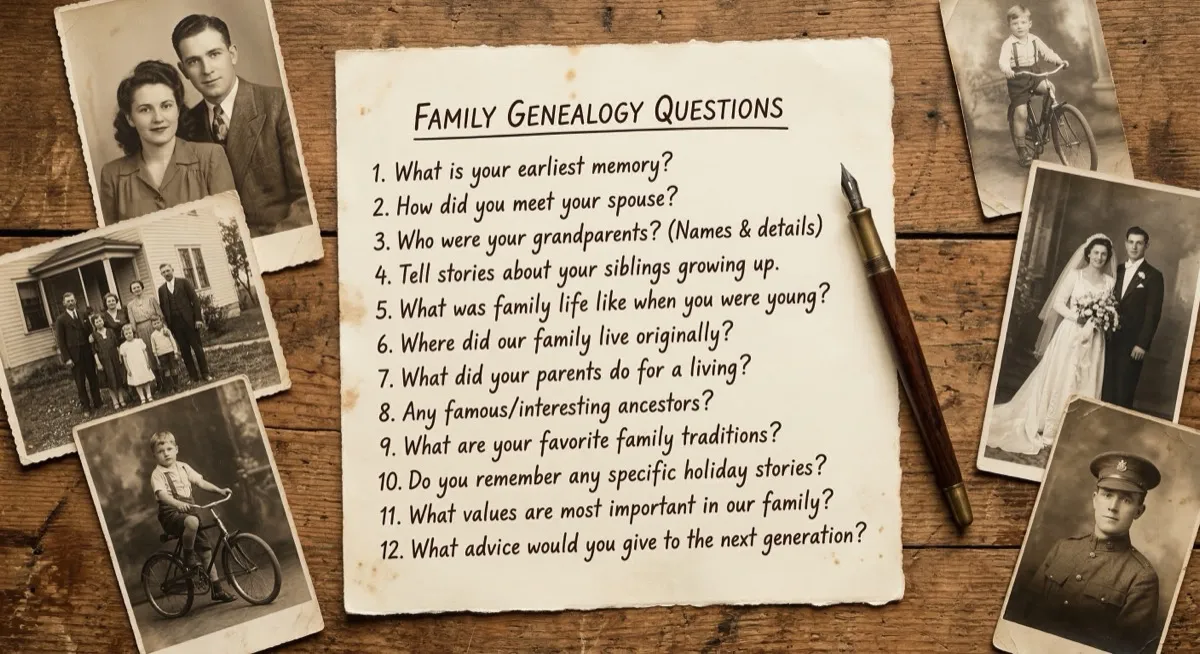
The right questions unlock stories people didn't know they still remembered. Start specific and sensory. Memory lives in detail.
Childhood & Growing Up
- What did the house you grew up in smell like?
- What was the most exciting thing that happened in your town when you were a kid?
- What did your parents argue about? What didn't they argue about?
- What did you think you were going to be when you grew up, at age 10?
- Who was your best friend, and what did you two get up to?
Work & Money
- What was the hardest job you ever had?
- What's the worst boss you ever worked for, and what made them bad?
- What moment made you feel like you'd finally figured out what you were doing?
- Was there a time when money was really tight? What did that feel like?
Family & Love
- How did you meet your partner? What was the first thing you noticed?
- What do you wish you'd told your parents while they were alive?
- What's the thing about raising kids that nobody warned you about?
- Which of your children surprised you the most, and how?
Big Moments & the World
- Where were you when a major historical event happened, and what do you remember about it?
- What was something everyone believed back then that turned out to be wrong?
- What has changed in the world that you miss?
- What hasn't changed that you're glad about?
The Questions Nobody Asks
- What are you most proud of that no one knows about?
- What's something you almost did but didn't, and are you glad you didn't?
- What do you want people to understand about your life that they might not?
- What are you still figuring out?
Practical Setup Guide
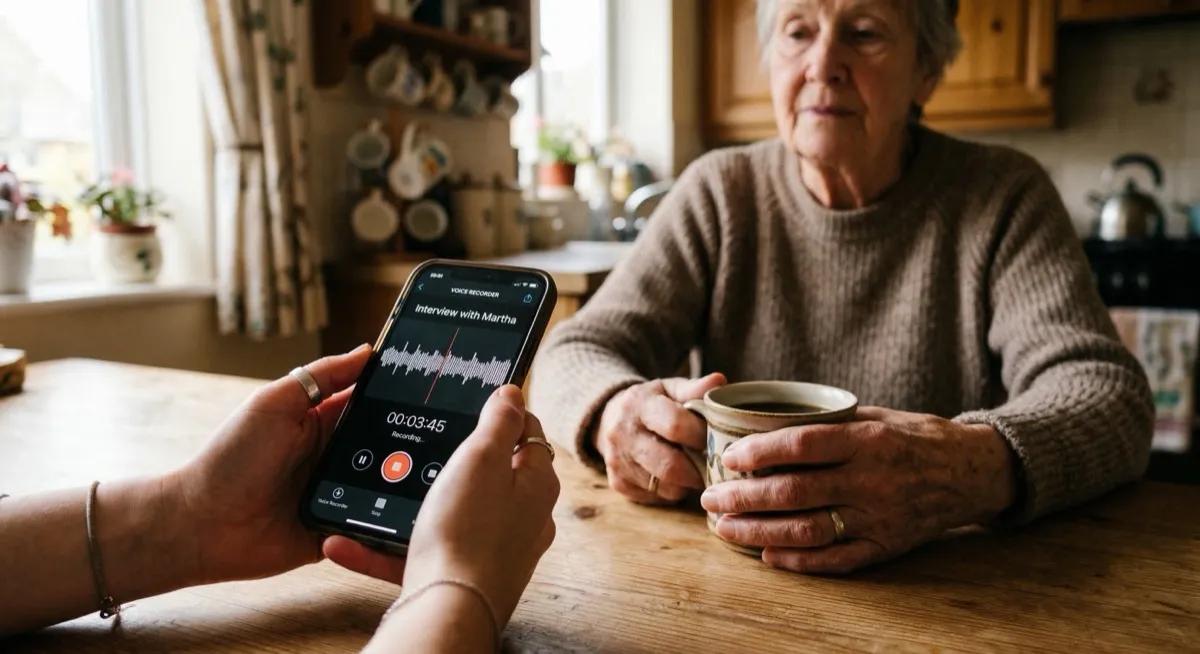
If you're doing this yourself, whether it's a phone call, voice memo, or in-person chat, here's what actually helps.
Recording Setup (Simple)
- Phone voice memo. Perfectly adequate. Put the phone between you on the table, not in someone's face. Background noise is fine.
- Rev.com or Otter.ai. Upload the audio afterward for automatic transcription. About $0.25 per minute. Worth every cent for making the content searchable.
- Zoom or FaceTime. If you're remote, record the call (with permission). Both platforms have built-in recording.
Prep Work
- Look through old family photos before the conversation and bring them up. "I found this photo of you from 1967. What was going on that year?"
- Call a sibling first and ask what they think Mom or Grandpa's most untold story is.
- Have 5 to 10 questions ready but be willing to throw the list out if a better thread shows up.
During the Conversation
- Start easy. Warm up with something like "Tell me about what the neighborhood was like when you were a kid." Don't open with "What do you want your legacy to be?"
- Use silence. Silence makes people talk. Don't rush to fill it.
- Follow threads with "tell me more about that" rather than jumping to the next question.
- Ask "and then what?" constantly. It's the most underrated question in any interview.
How to Preserve and Share What You Capture
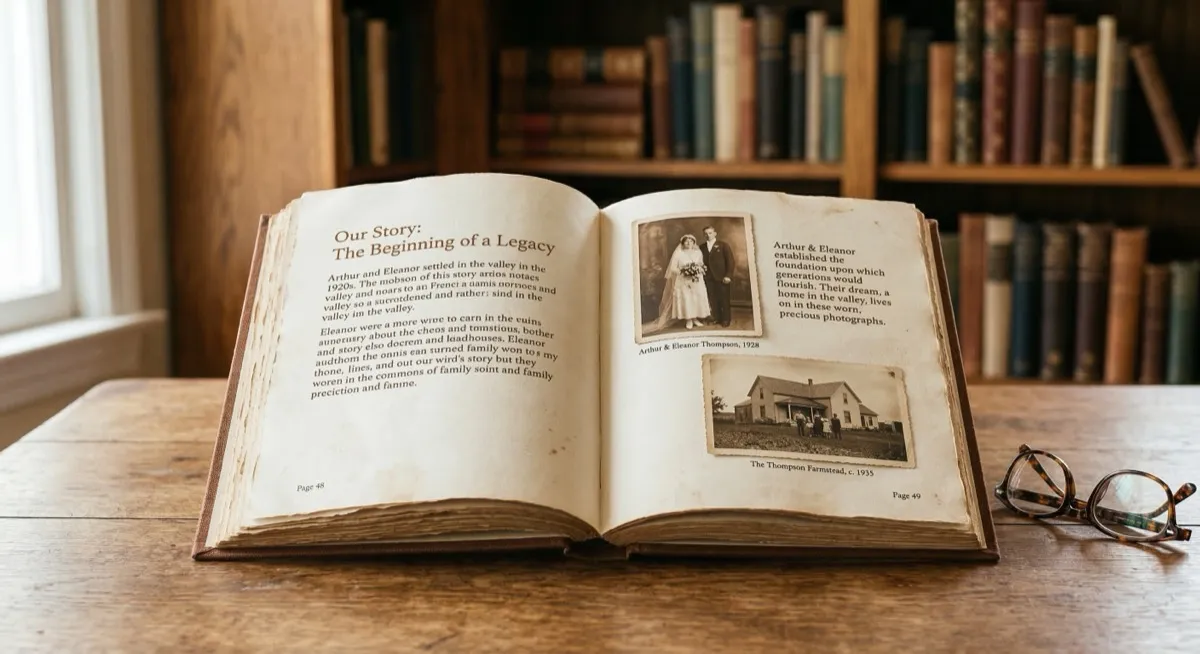
Capturing the stories is step one. Making them last, and making them accessible to the whole family, is step two.
- Cloud backup immediately. Upload audio to Google Drive or iCloud the day you record it. Do this before you forget.
- Transcribe. Audio alone is hard to search or share selectively. A transcript makes the content 10x more useful.
- Tag and organize by theme. Sort clips by period of life, by topic, by person. Future family members will thank you.
- Share within the family now. Don't wait until everything is "finished." Send Aunt Karen a clip she'll love this week. Keep people engaged.
- Consider a printed book. A curated selection of stories formatted into a book is one of the most meaningful keepsakes a family can have. Even a simple 50-page print-on-demand book lasts generations.
A Better Way: Pearl
Everything above works, if you can get yourself to actually do it. The barrier is real. Finding the time, making it not awkward, following up consistently. That's why we built Pearl.
Pearl is an AI interviewer who talks to your family member directly. No app required. She's warm, patient, and knows how to follow a thread. She asks the questions you'd think of if you had all the time in the world. Most people forget they're being recorded within 10 minutes.
Everything gets captured. Audio recordings, full transcripts, a private family portal where everyone can listen and ask follow-up questions.
We built HeritageWhisper because the alternative, meaning to do this and running out of time, is too common and too painful. If you have someone whose stories matter, the best next step is a simple one.
Preserve Their Story with Pearl →
Whether you use Pearl or pick up the phone this weekend, the most important thing is to start. The stories are still there. They're just waiting to be asked for.